
Design quality that stays recyclable

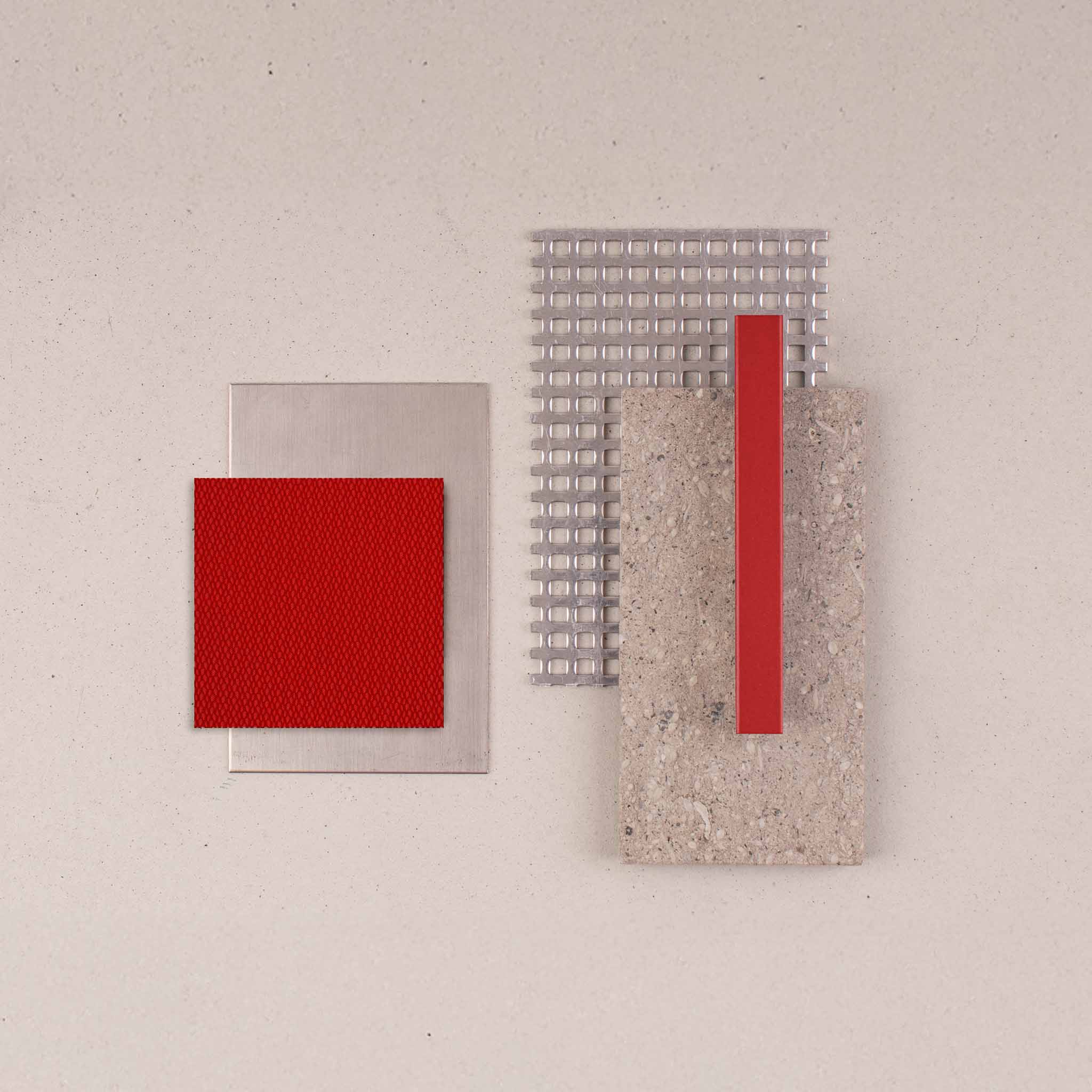
Steel: structural performance with enduring value
Steel is the backbone of our modular systems. Exceptionally strong, dimensionally stable, and infinitely recyclable. It’s ideal for primary load-bearing structures in retail and commercial environments.
- Material share: approx. 72%
- Benefits: high load capacity, long-term durability, high recyclability
- Application: e.g., Qubo system, with up to 20% recycled content
- Finishing: powder-coated for a robust, low-maintenance surface
Aluminium: lightweight flexibility for adaptive design
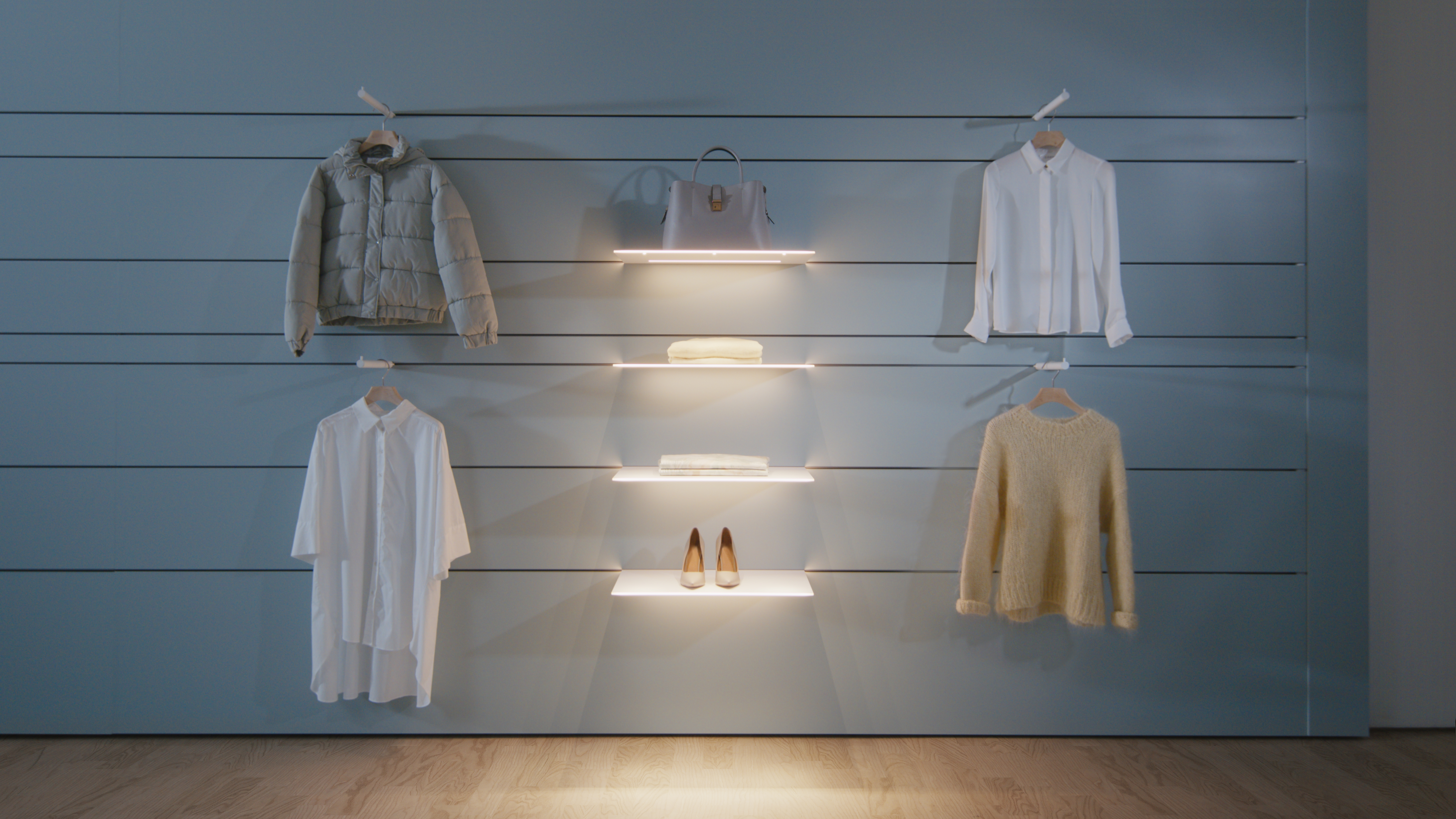
Aluminium combines strength and low weight, making it the preferred material for profiles and components where flexibility and refined aesthetics are key. It offers full recyclability without compromising design freedom.
- Material share: approx. 13%
- Ideal for: modular configurations with frequent reconfiguration
- Application: e.g., Invisible 6 and Multi-Lane systems with up to 80% recycled content
- Fully recyclable with no degradation in quality
Zinc die-casting: precision for complex interfaces
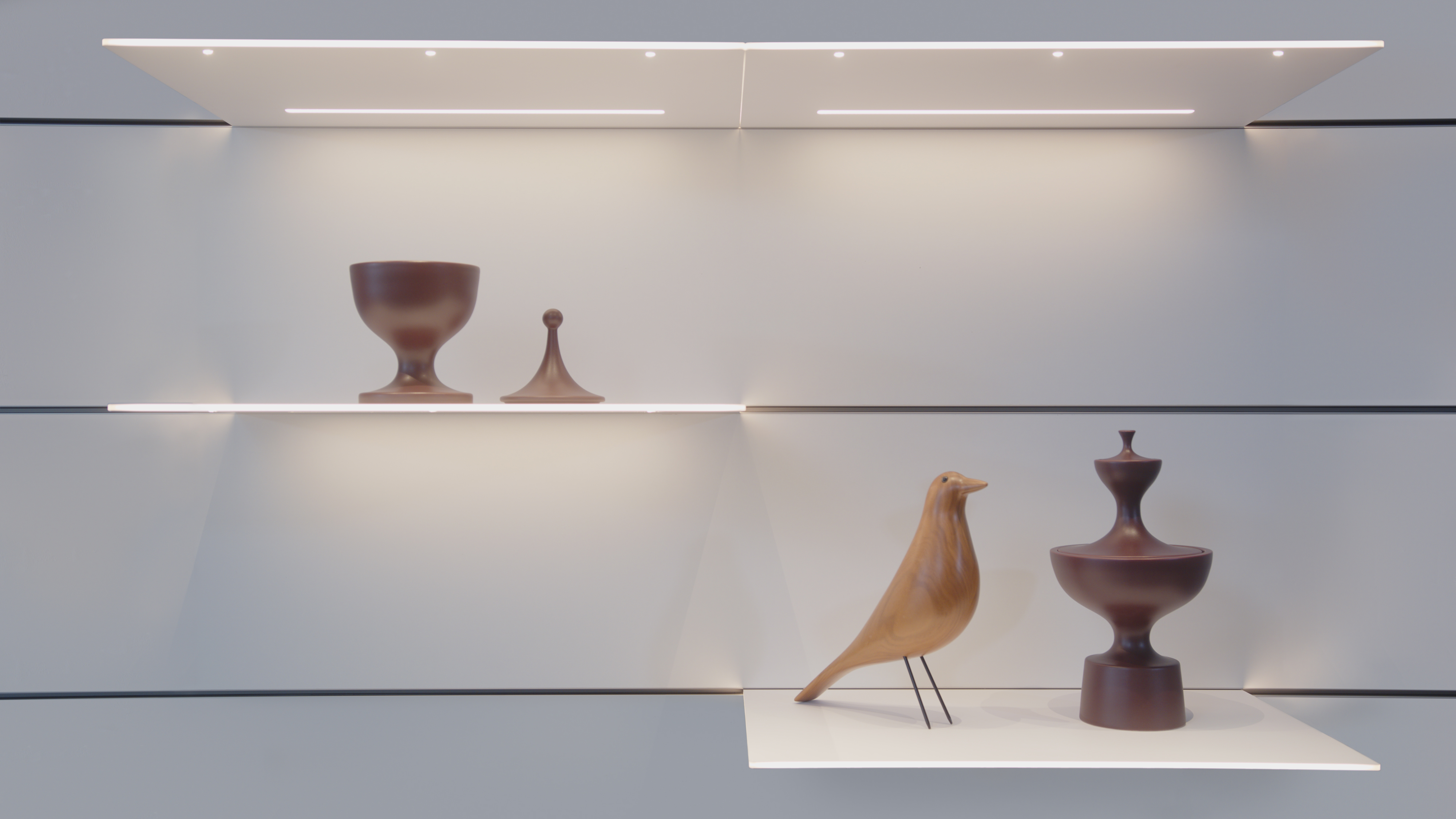
Where millimetre precision and complex geometries are required, zinc die casting comes into play. Ideally used as a connecting element or support module. Depending on the application, it offers optimal flexibility. The material impresses with its formability and complete recyclability.
- Applications: joints, rail corners, structural inserts
- Alloys: ZP0410 and ZP0430, selected for technical consistency
- Advantages: excellent moldability, mechanical precision, recyclability
Wood, glass, plastics: conscious material accents
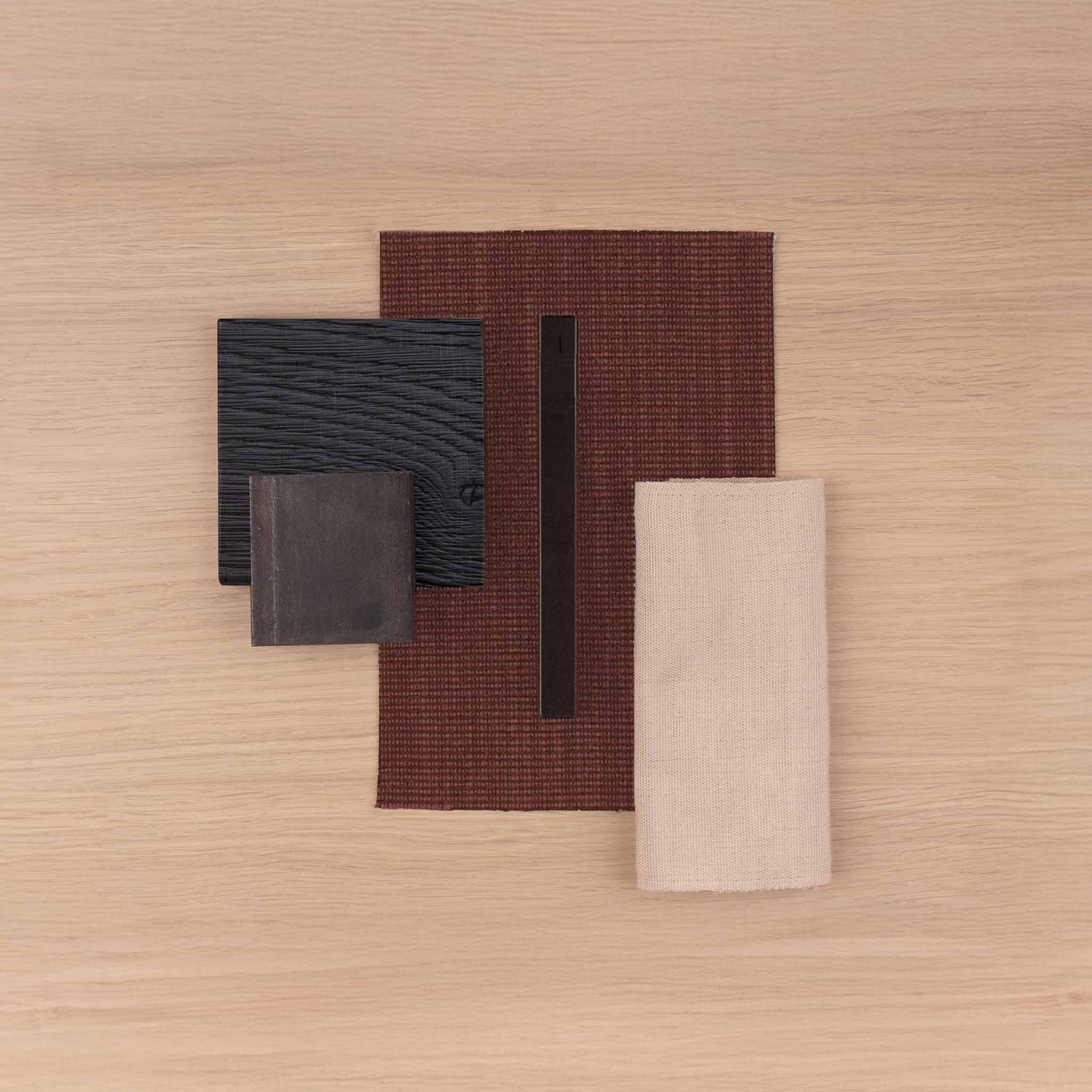
For surfaces, shelving, and tactile zones, we deliberately incorporate natural materials like wood and glass to add depth and texture. Where needed, plastics are used sparingly — always with a focus on durability and separation for end-of-life recyclability.
- Wood: used selectively for its warmth, tactility, and renewable nature
- Glass: timeless, recyclable, and visually refined
- Plastics: minimal use, limited to specific technical roles
More stories
All stories-
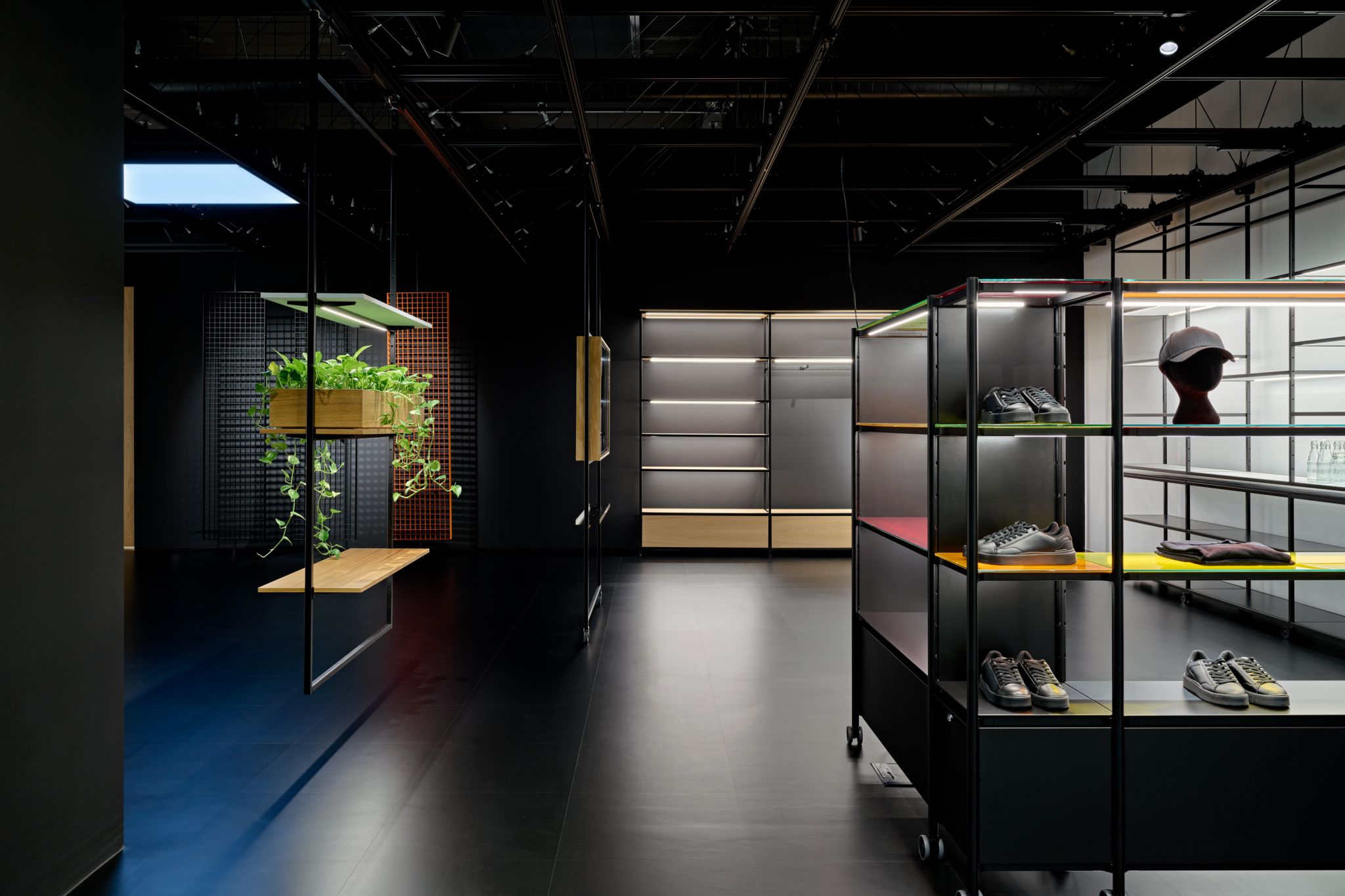 Optimal use of retail space
 -
 Concept Stage
 -
 Mobile und Modular – The new Qubo M
 -
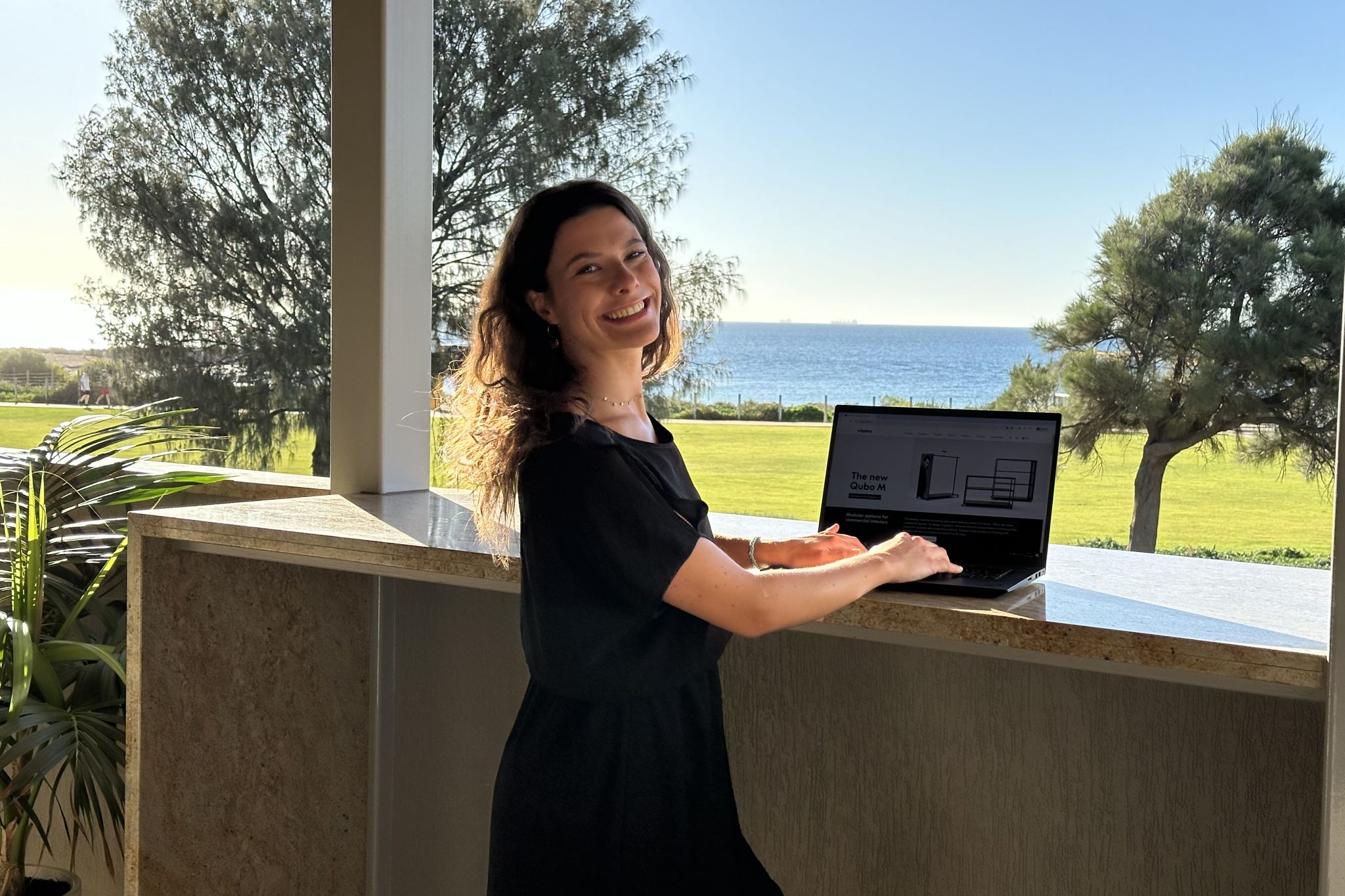 Workation in Australia
 -
 Opening of Flow on 16 March 2023
 -
 Designed for more possibilities – Beam EVO & Xero 4 EVO
 -
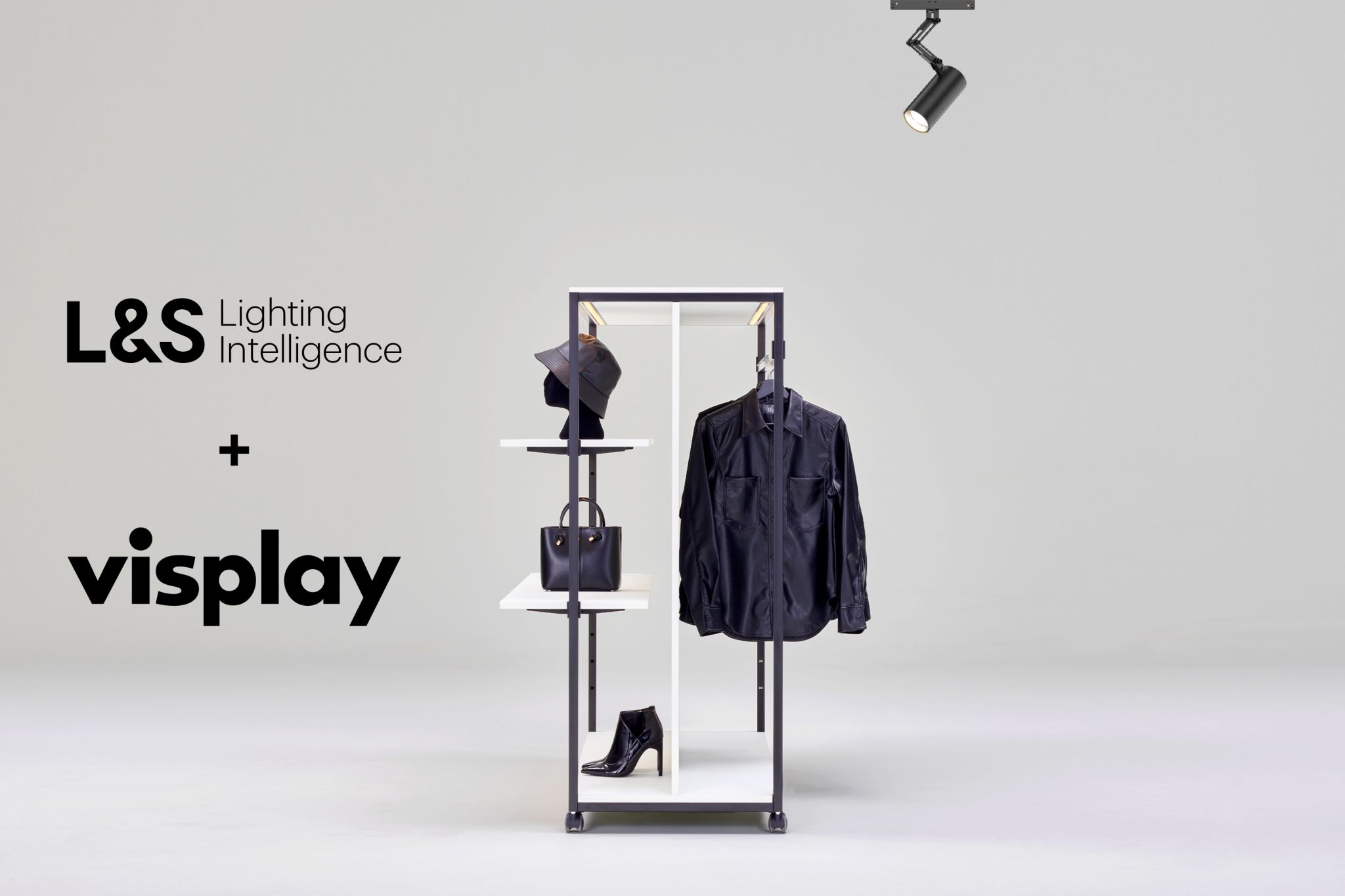 A new chapter for Visplay: Joining the L&S Group
 -
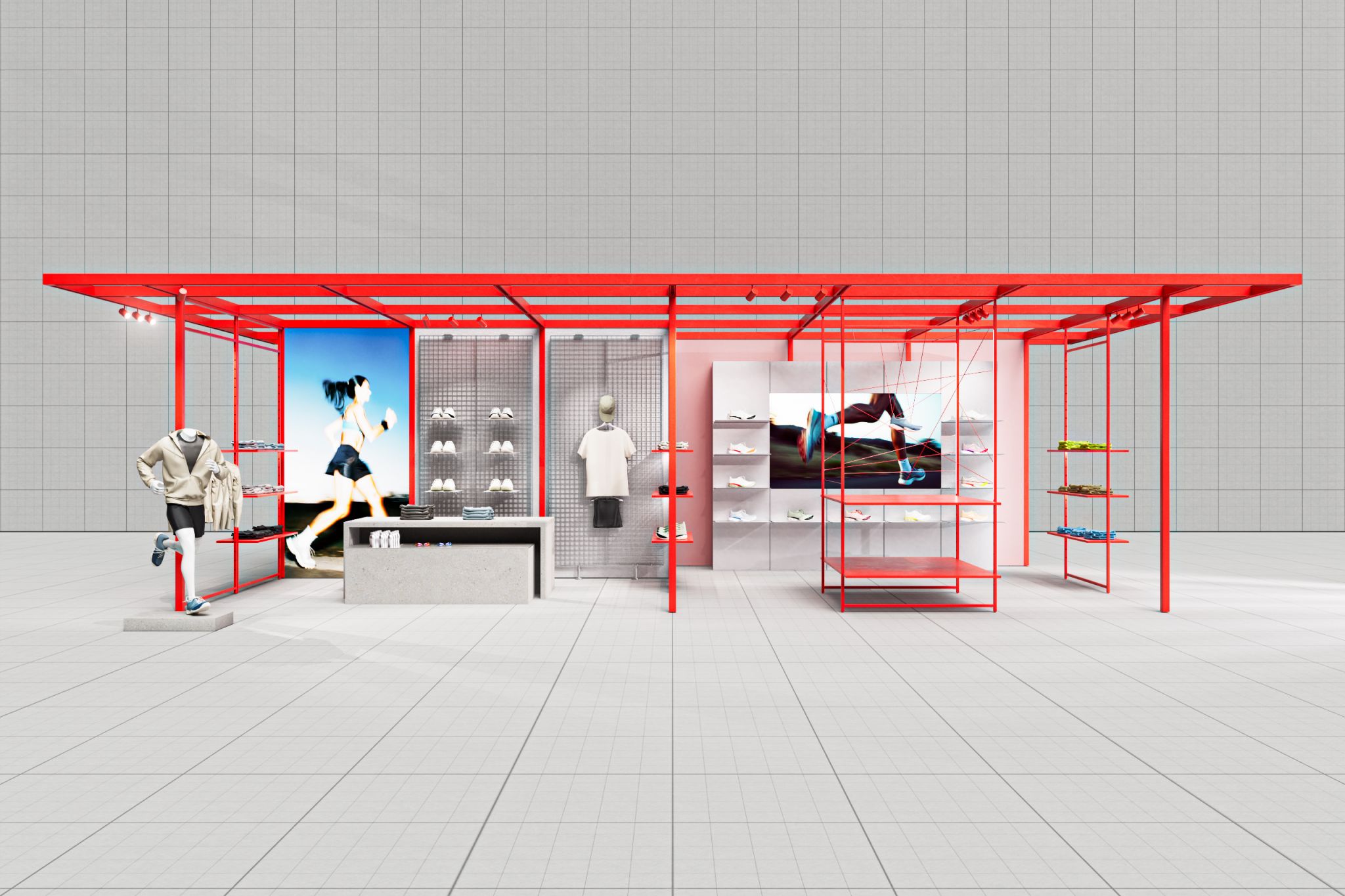 Spatio – A System that grows with you
 -
 New product catalogue
 -
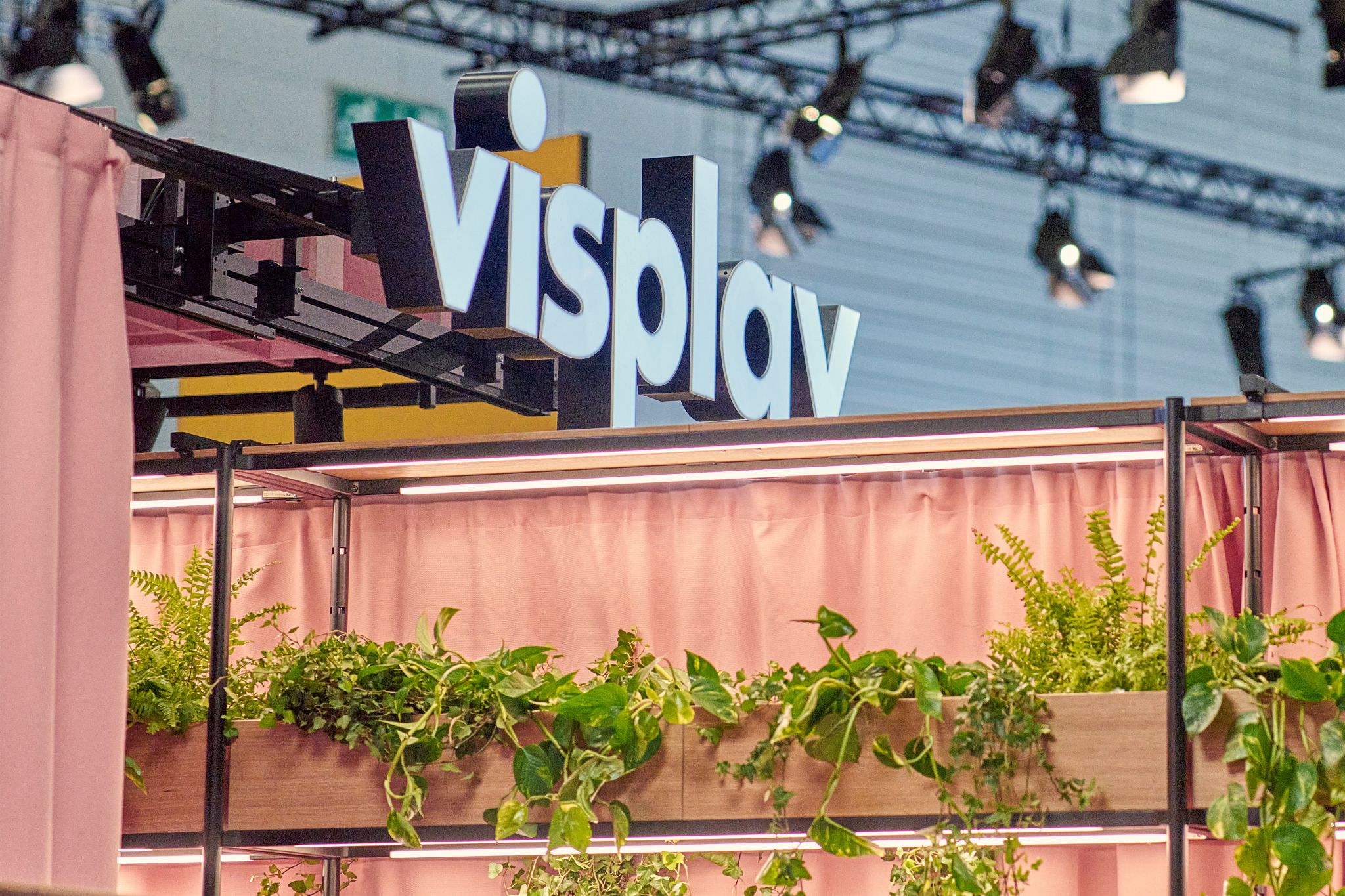 Sustainable trade fair construction
 -
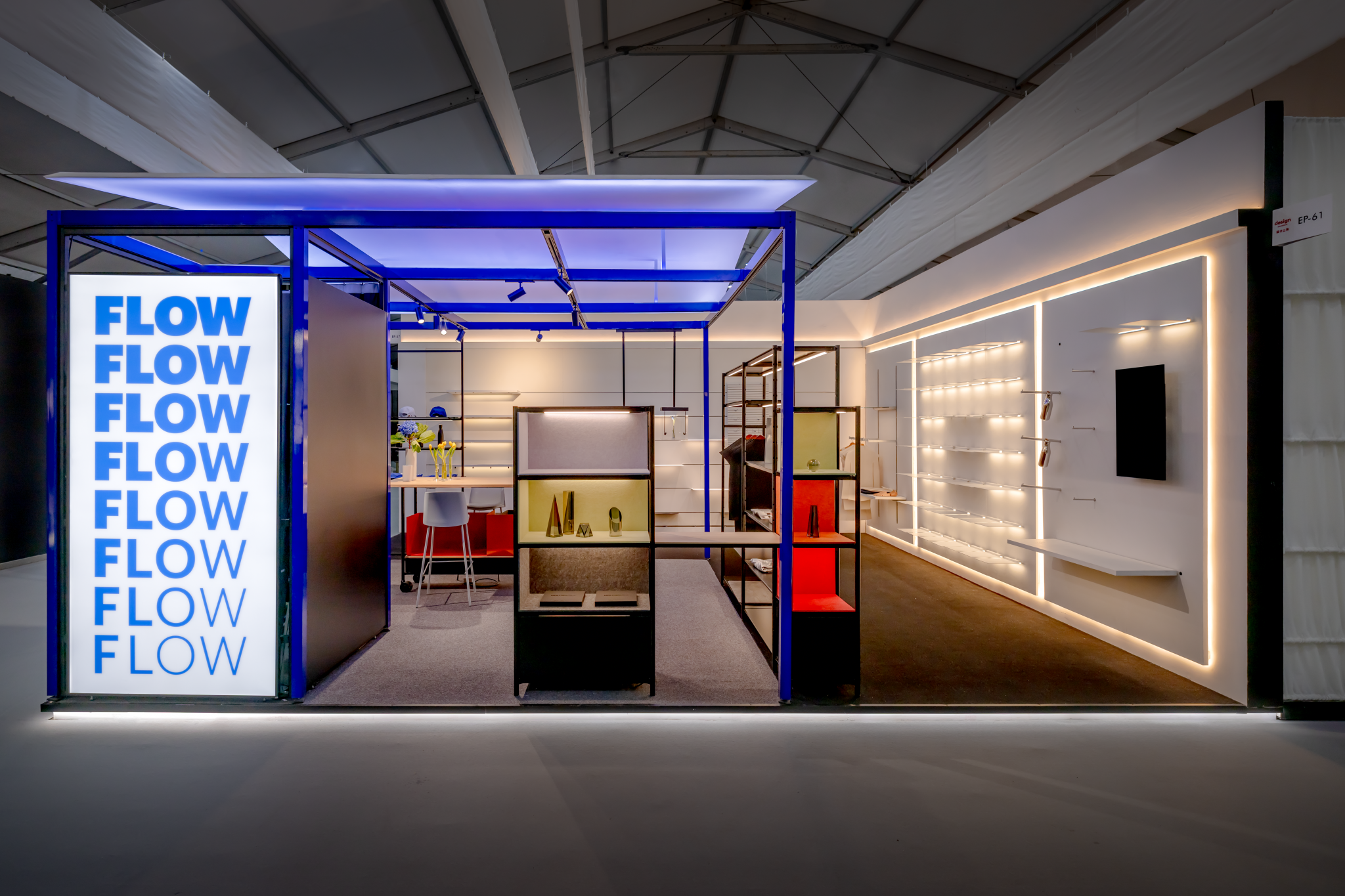 Design Shanghai 2026: Flow stays in motion
 -
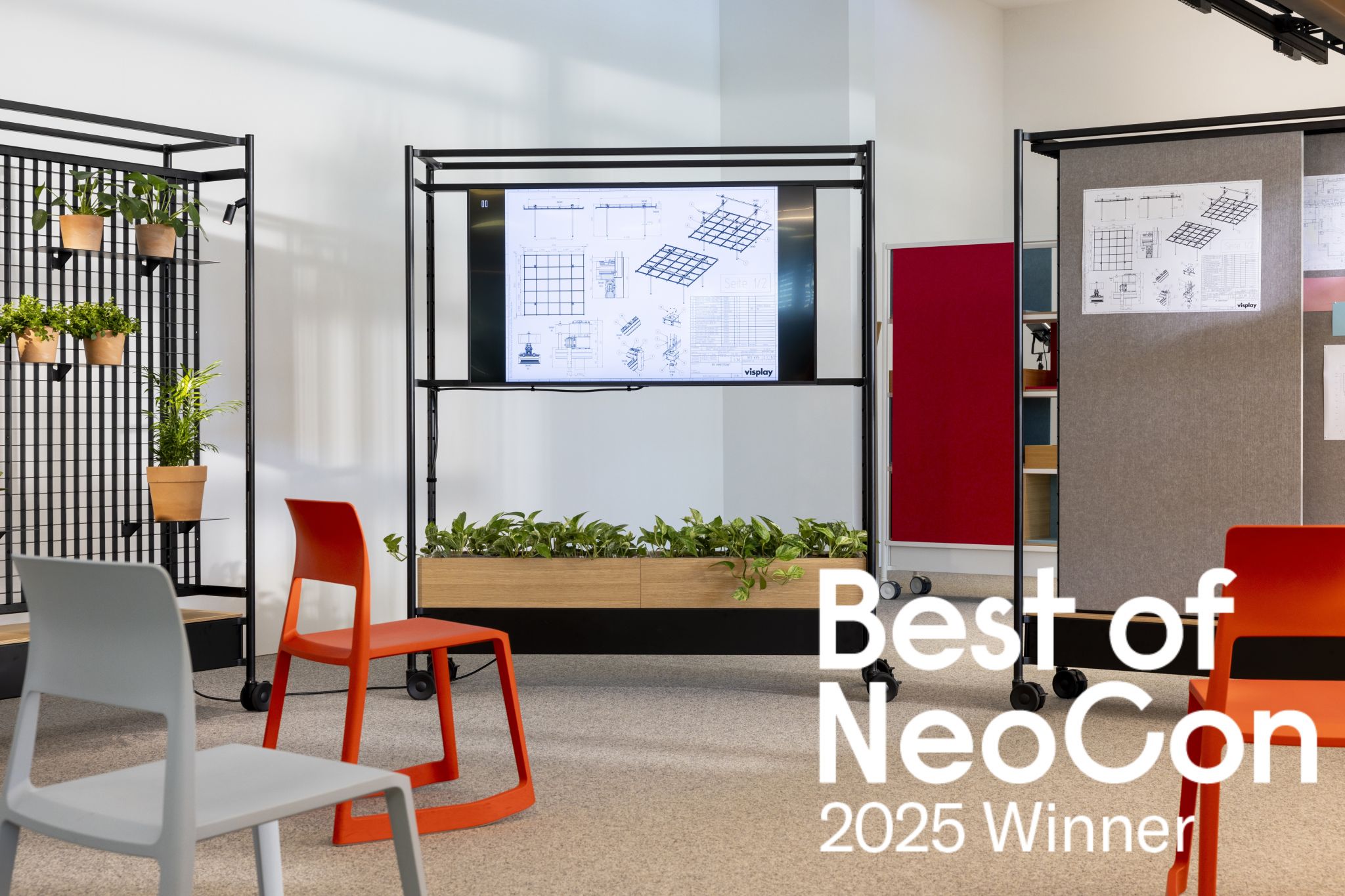 NeoCon 2025: Omnio Office awarded in Chicago