
Three decades of retail design evolution
More functionality without compromising flexibility
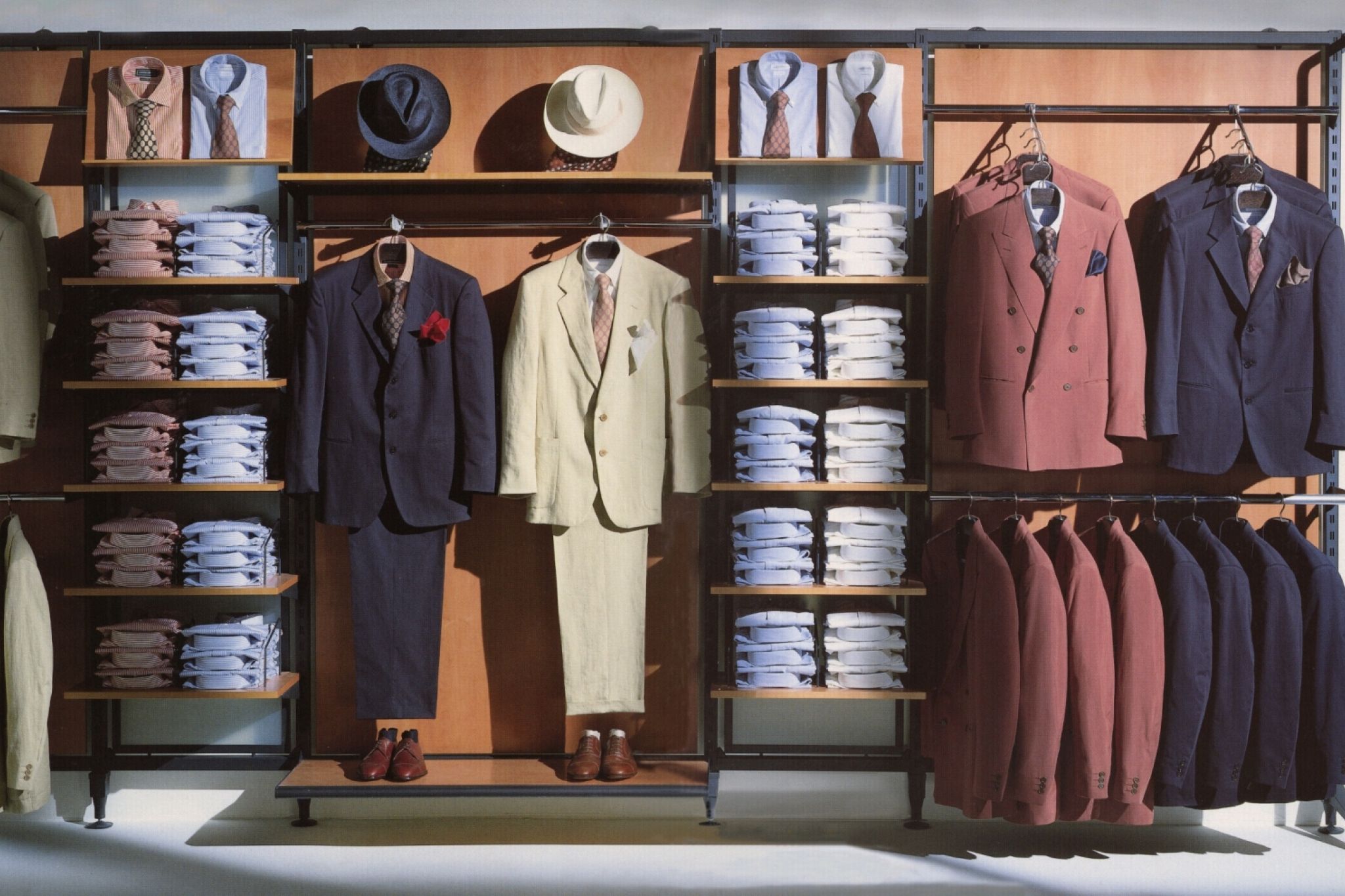
In the 1990s, open wall systems dominated retail displays. Menswear was presented on shelves, hanging rails and brackets that were clearly visible as part of the construction.
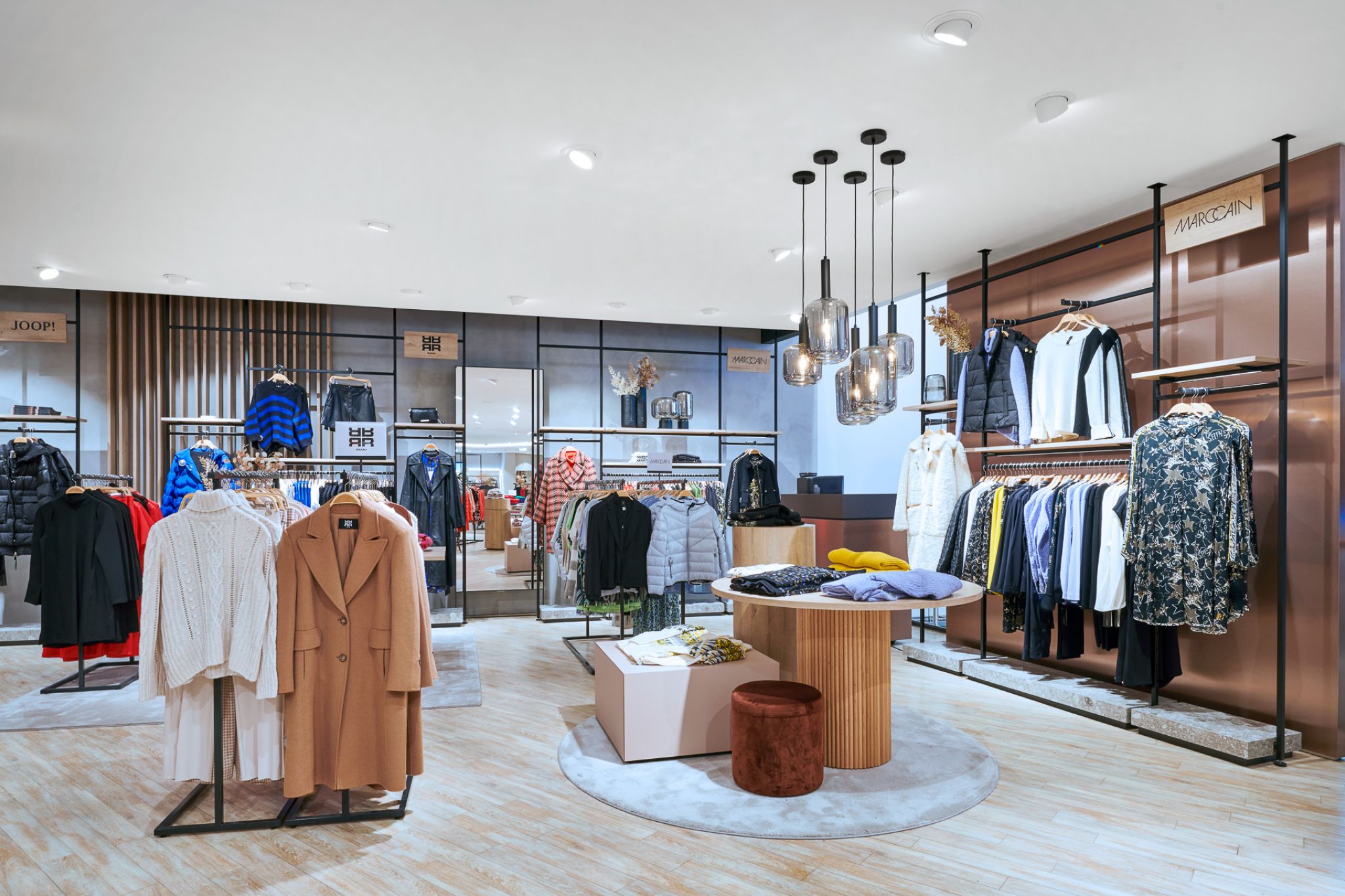
Modern systems serve the same purpose while offering additional functionality. Electrified profiles integrate lighting directly into the display, highlight products more effectively and reduce technical complexity on the sales floor. Flexibility remains the same, while the overall appearance becomes cleaner and more refined.
A lighter approach to product presentation
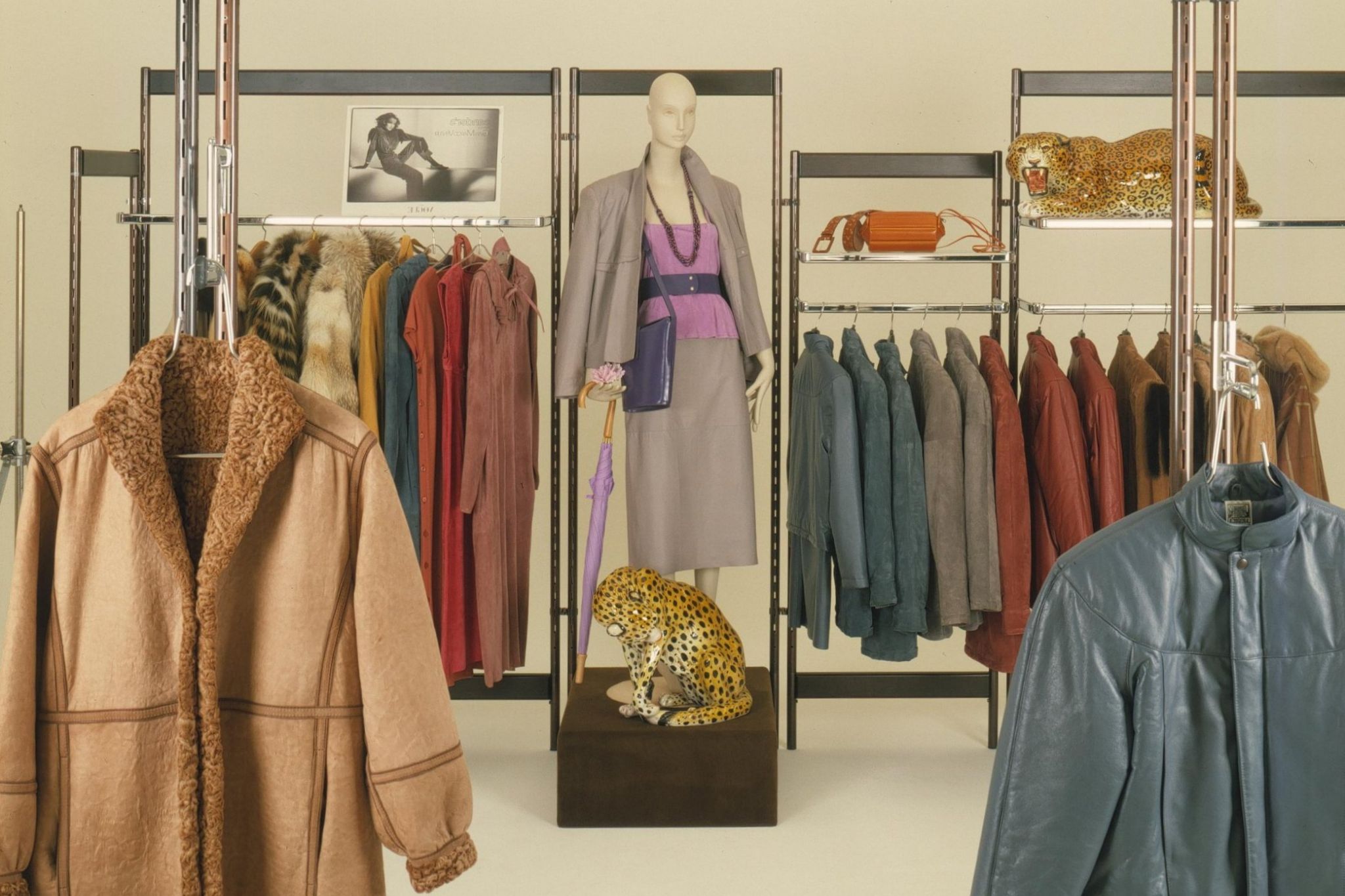
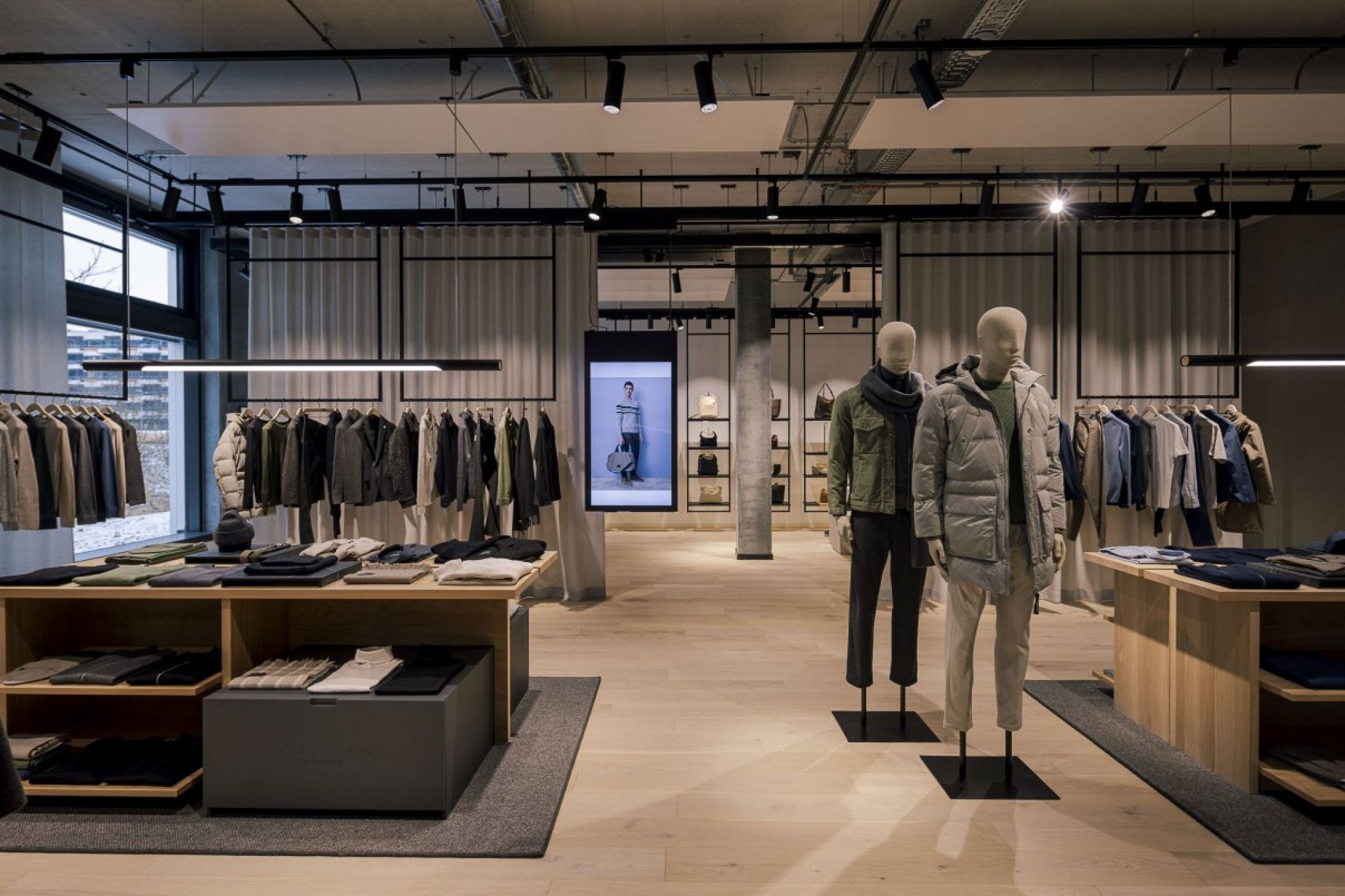
The same evolution can be seen in freestanding display systems. Chrome garment racks were once the standard. Today, systems such as Multi Lane create an open presentation that gives collections more space. Display elements can be repositioned and adapted to changing assortments while keeping the floor area clear. The result is a more open environment where the products take centre stage.
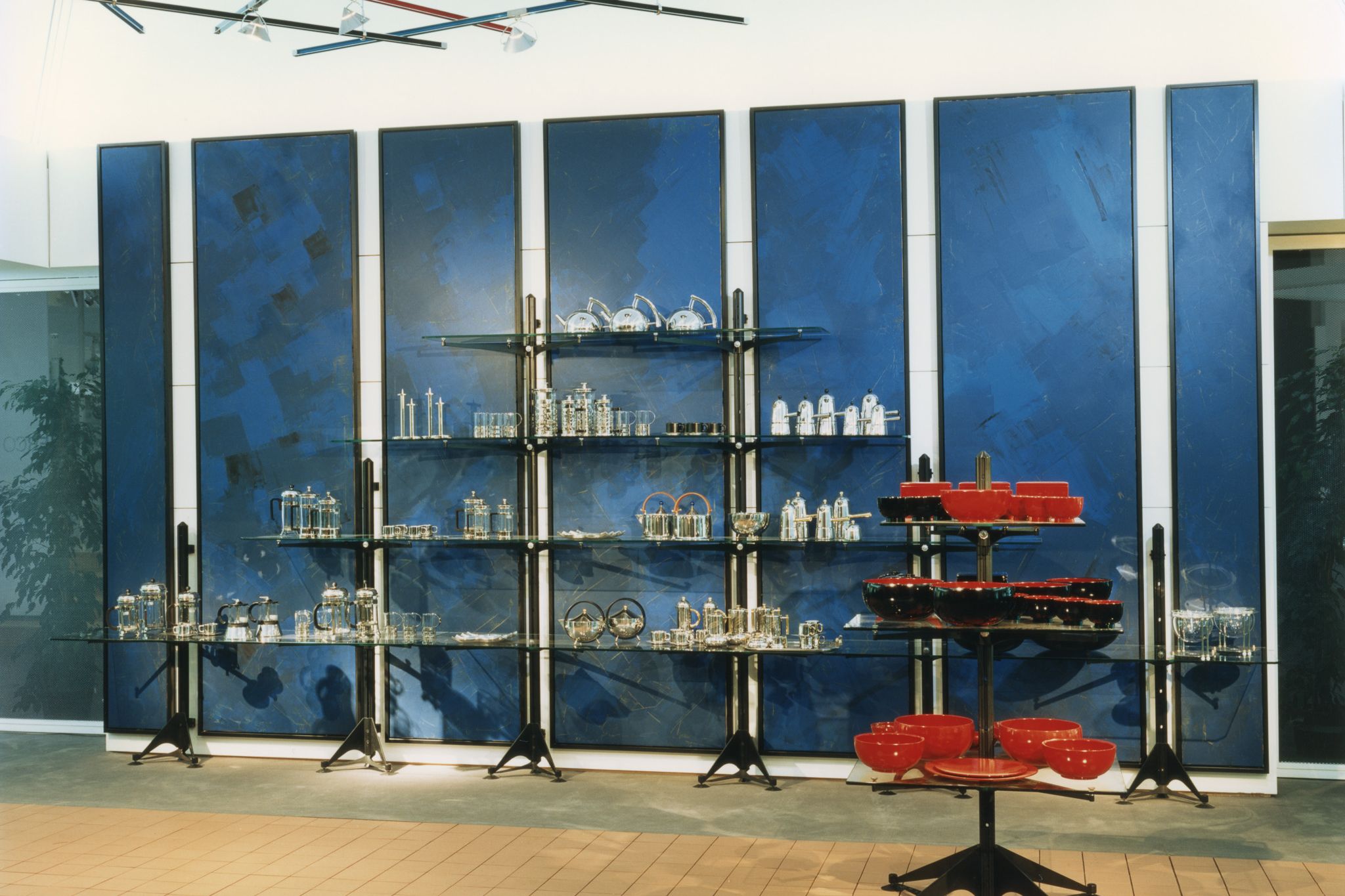
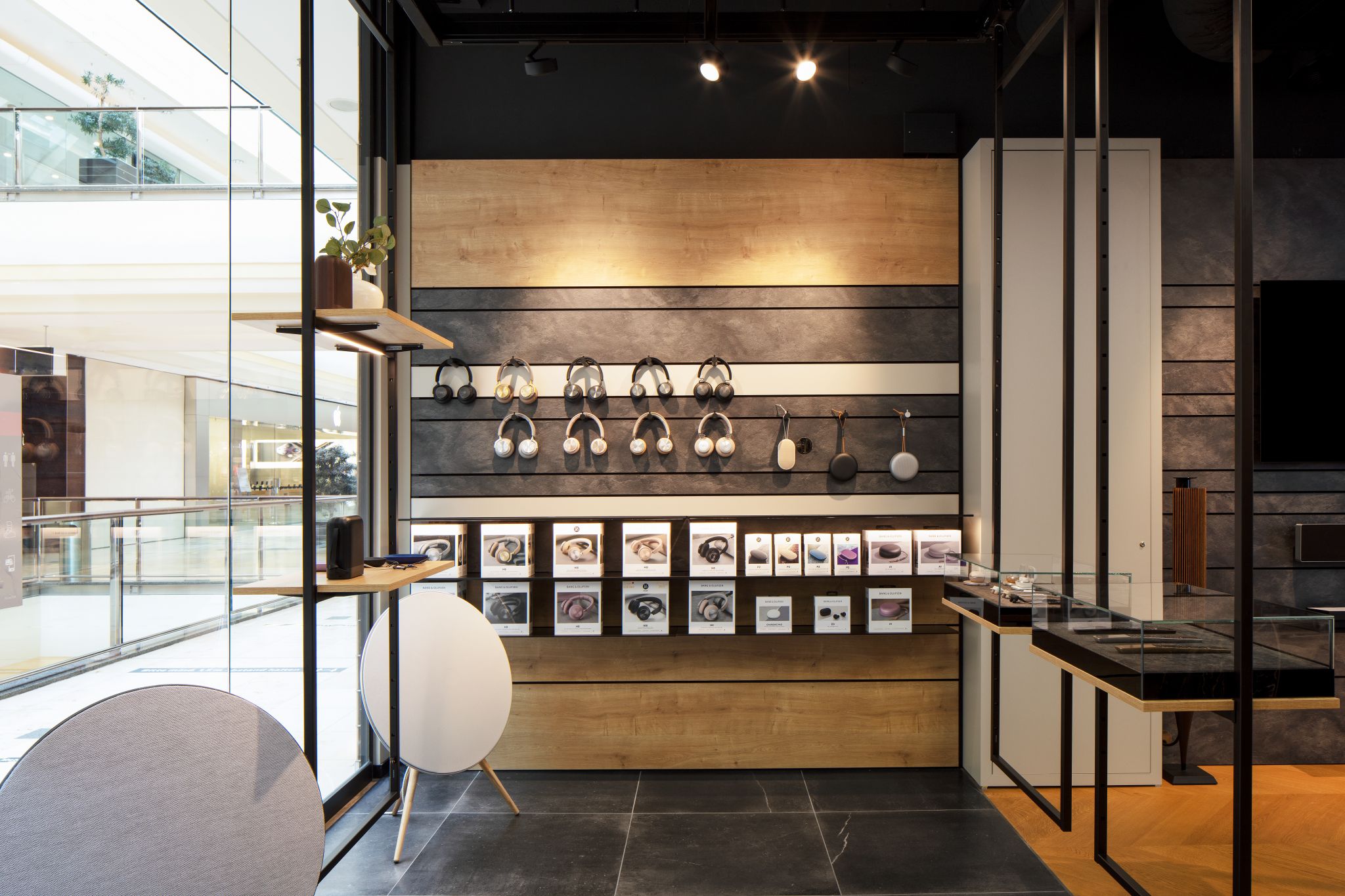
Evolving with every generation
Wall systems have followed a similar path. Earlier solutions already offered flexibility, but often appeared technical and visually dominant. Today, slim profiles and almost invisible integration define the design. Shelves, hanging arms and display elements can still be configured individually. The difference lies in the design approach. Modern systems adapt to the products and the space instead of becoming the visual focus.
For almost 90 years, we have continued to develop retail systems by refining their original concept rather than reinventing it. Functional, flexible and built to last.
More stories
All stories-
 Workation in Spain
 -
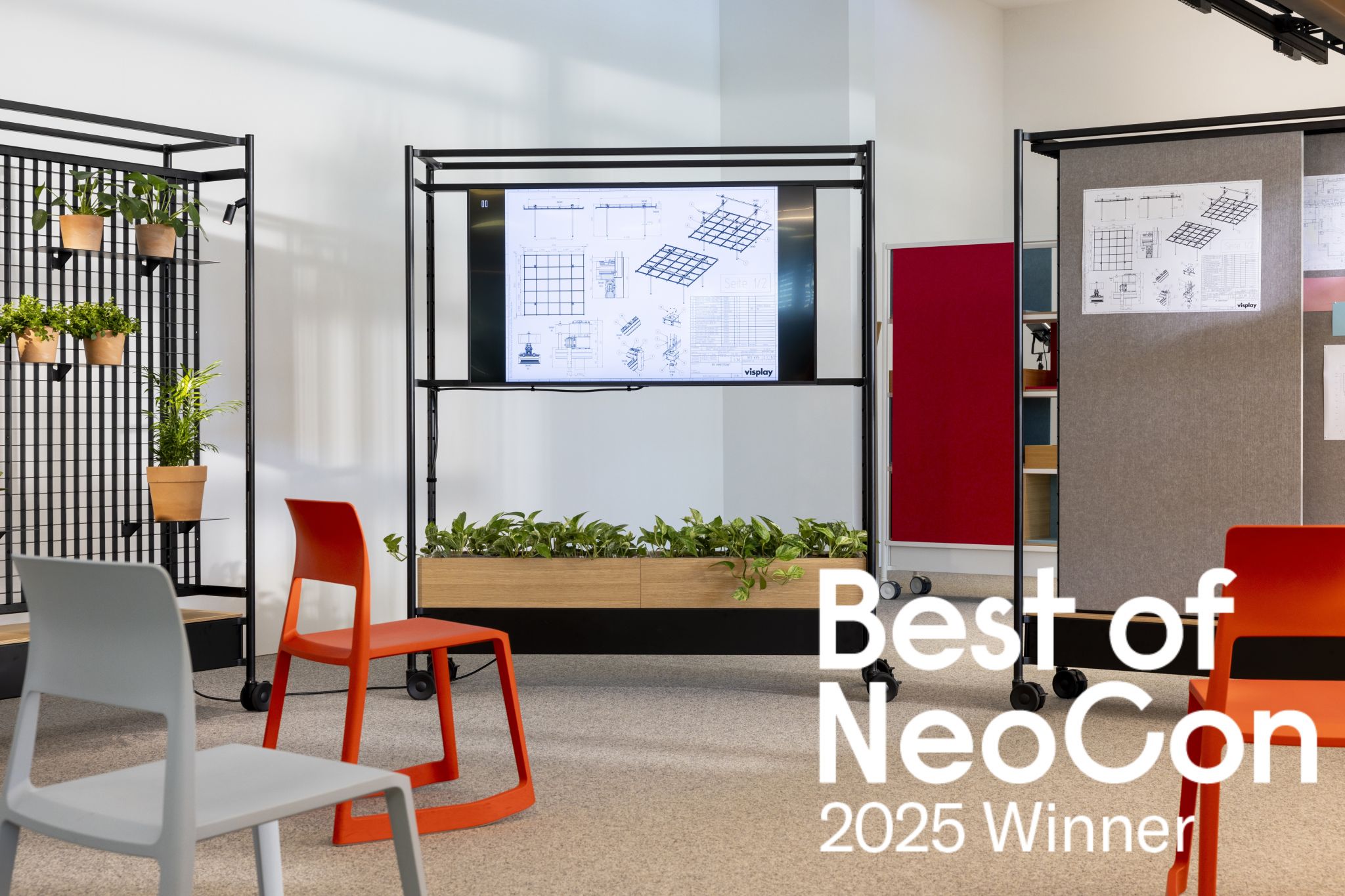 NeoCon 2025: Omnio Office awarded in Chicago
 -
 Mobile und Modular – The new Qubo M
 -
 Flow Showroom
 -
 New product catalogue
 -
 Workation in Mexico
 -
 Workation in Australia
 -
 A new chapter for Visplay: Joining the L&S Group
 -
 Hybrid hotel concepts
 -
 Shaping the Future: Toni Piskac on Innovation in Office Design
 -
 Step inside Flow at EuroShop 2026
 -
 Flexible walls for Multi-Lane